


 Language: English













Solutions
Horse Construction offers full range of structural strengthening materials with technical supports, documentation supports, products supports, project supports.
FRP Composite Strengthening System Application and Use

Fiber-reinforced polymer (FRP) composites feature high strength-to-weight ratio, excellent corrosion resistance and convenient installation, and have been widely adopted for strengthening and rehabilitation of existing concrete structures. FRP systems can rehabilitate deteriorated structural members to restore their load capacity, upgrade sound members to resist higher loads induced by changes of structural usage, or remedy errors originating from original design or construction. Prior to selecting an FRP system, licensed design professionals shall verify whether FRP strengthening is a suitable technical solution for the project.

1 Application Scenarios of FRP Strengthening
FRP composite strengthening technology addresses three primary engineering demands:
Rehabilitate deteriorated structural components and recover their original load-bearing capacity;
Strengthen intact structural members to withstand increased loads resulting from changes in building occupancy and usage;
Rectify defects from original design or construction deviations.
FRP strengthening is not a universal retrofit solution and cannot be applied indiscriminately. Design professionals must first validate the suitability of FRP systems for the target structure before selecting FRP material type, bonding method and construction details.

2 Condition Assessment of Existing Structures
To evaluate the suitability of FRP strengthening for a specific project, a comprehensive condition assessment of the existing structure is mandatory. The assessment aims to quantify the current load-carrying capacity, identify structural deficiencies and root causes, and characterize the condition of concrete substrate. The overall evaluation includes thorough site inspection, review of original design and as-built documentation, and structural analysis.
1) Document Review
All available construction records shall be reviewed, including design drawings, project specifications, as-built information, field test reports, historical repair records and maintenance archives, to understand construction background and the evolution of structural distress.
2) Items of Field Investigation
Field investigation shall determine the following essential information:
(a) Actual dimensions of structural members
(b) Location, size and causes of cracks and concrete spalls
(c) Quantity and layout of existing reinforcing steel
(d) Location and extent of reinforcement corrosion
(e) Presence of ongoing active corrosion
(f) In-place compressive strength of concrete
(g) Soundness of concrete, especially the concrete cover, over all regions where FRP will be bonded to the substrate
The tensile performance of concrete surfaces for FRP installation shall be measured by pull-off adhesion tests. In-situ concrete compressive strength can be obtained via core sampling. The load-carrying capacity of the existing structure shall be determined based on field investigation data, review of original design calculations and drawings, together with analytical modelling. Load tests or other supplementary methods may be incorporated into the evaluation when appropriate.

3 Design Principles for FRP Strengthened Members
FRP composite systems intended to improve the strength of existing members shall be designed considering multiple critical factors: load limits, rational load transfer paths, temperature and environmental effects on long-term FRP performance, loading scenarios, and impacts of reinforcement corrosion on the integrity of the FRP strengthening system. The design shall balance mechanical performance, material durability and risk of distress development to ensure long-term safety and reliability of the strengthened structure.
Conclusion
FRP composite strengthening is a refined retrofit technology built upon full structural condition assessment. The complete strengthening workflow starts from structural defect detection and load capacity evaluation, followed by FRP system selection and specialized design. Only by fully characterizing substrate quality, reinforcement status, cracking and corrosion conditions can the advantages of FRP materials be fully utilized to achieve safe and durable strengthening works.
You can find anything here you are in need of, have a trust trying on these products, you will find the big difference after that.

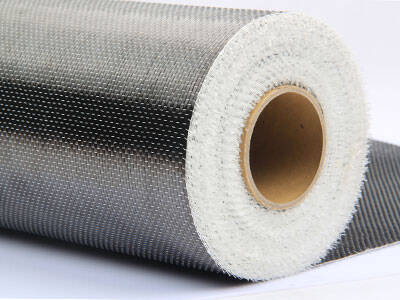
High strength, unidirectional carbon fiber wrap pre-saturated to form a carbon fiber reinforced polymer (CFRP) wrap used to strengthen structural concrete elements.

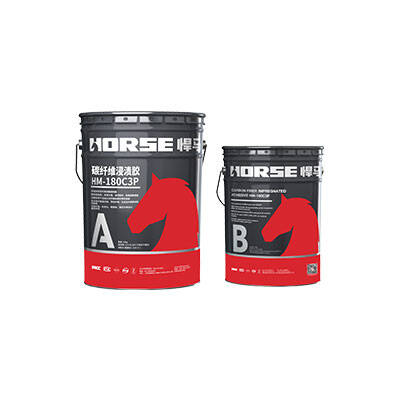
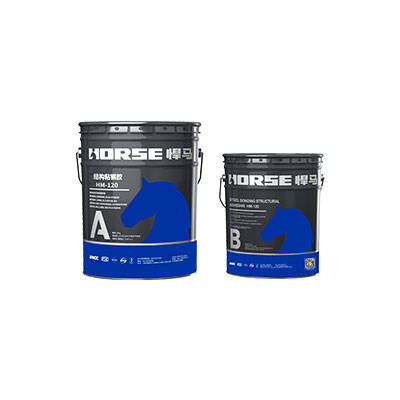
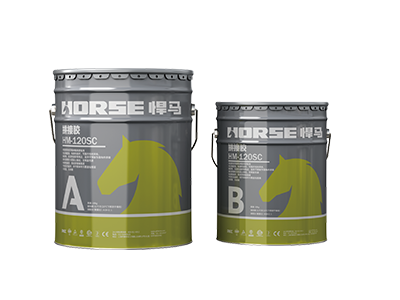
Good impregnation carbon fiber adhesive for applying carbon fiber reinforced polymer(CFRP) wrap for structural strengthening

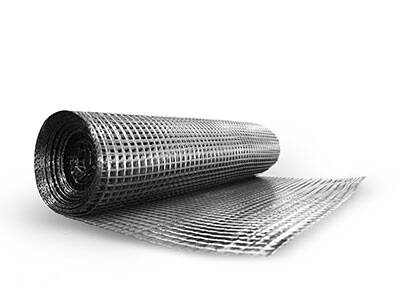
High strength, unidirectional carbon fiber fabric pre-saturated to form a carbon fiber reinforced polymer (CFRP) fabric used to strengthen structural concrete elements.
