


 Language: English











Solutions
Horse Construction offers full range of structural strengthening materials with technical supports, documentation supports, products supports, project supports.
Structural Repair After Fire
Why Fire-Damaged Structures Rarely Need Full Demolition
Concrete is non-combustible, but that does not mean it survives fire unscathed. When a reinforced concrete structure is exposed to elevated temperatures, the concrete matrix undergoes dehydration, thermal cracking, and microstructural degradation. Reinforcing steel loses yield strength and stiffness once temperatures exceed 500 °C. Spalling, crack propagation, and bond deterioration between concrete and rebar further compromise load-bearing capacity.
Yet complete collapse due to fire is rare. The low thermal conductivity of concrete means the core often remains at a much lower temperature than the exposed surface. Post-fire investigations consistently show that fire-damaged structures can be repaired and restored to their required design strength — provided the assessment is thorough and the repair methodology is sound.
For everyone, the real question is never "should we demolish?" but rather "how do we assess what can be saved, and which repair system delivers the best structural performance?"
So Understanding Fire Damage to Concrete: What Happens at Different Temperatures
| Temperature Range | Effects on Concrete |
|---|---|
| Below 300 °C | Minimal strength loss; possible slight increase due to continued hydration. Microcracking begins. |
| 300–400 °C | C-S-H gel decomposition starts. Compressive strength begins to drop noticeably. Pink-red colour change visible on surface. |
| 400–600 °C | Significant strength reduction (up to 50–70% loss). Aggregate expansion causes internal cracking. Cement paste shrinkage widens cracks. Surface turns grey-buff. |
| 600–800 °C | Severe degradation. Residual strength drops to 30% or less. Extensive spalling, aggregate exposure, and rebar bond failure. |
| Above 800 °C | Near-total loss of compressive capacity. Structural elements may require full replacement. |
What matters in practice is that the damage is rarely uniform — beam-column connections, slab undersides, and column corners typically sustain the most severe damage due to higher heat exposure and geometric stress concentration.
Post-Fire Structural Assessment: Before Any Repair Begins
No repair specification is valid without a reliable damage assessment. The assessment process should follow a systematic, multi-method approach.
1). visual inspection and damage zoning
2). non-destructive testing (ndt)
3). core sampling and laboratory verification
Repair and Strengthening Methods for Fire-Damaged Structures
Once the damage is mapped and quantified, the repair strategy should address two objectives: restoring lost cross-section and recovering or enhancing structural capacity.
Concrete Section Restoration
For elements with spalled concrete cover, the first step is removing deteriorated material back to sound concrete. This is followed by:
Bonding agents or epoxy coatings on exposed reinforcement
Patch repair with polymer-modified or shrinkage-compensated mortar
Formwork and casting for large-section restoration
This recovers the original geometry but does not necessarily restore the design load capacity — that requires structural strengthening.

Traditional Strengthening Methods: Concrete jacketing; Steel plate bonding; Post-tensioning
Advanced Strengthening Methods: Fiber-Reinforced Polymer (FRP) systems
FRP--Technical advantages:
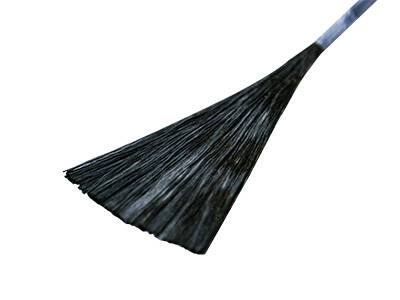
CFRP fabrics and laminates provide high tensile strength (often exceeding 3,000 MPa) at negligible additional weight
External bonding of CFRP restores flexural, shear, and axial capacity without increasing dead load
CFRP confinement significantly improves ductility and deformation capacity of fire-damaged columns — research shows load capacity improvements of 38–78% depending on damage severity and confinement configuration
CFRP systems effectively bridge and arrest fire-induced microcracking, restoring structural continuity
Considerations for Post-Fire CFRP Repair
Load Conditions During Repair
Fire-damaged structures may still be under partial load. Unlike steel plate bonding or concrete jacketing, CFRP strengthening can be installed with minimal shoring because the lightweight fabric adds negligible dead weight. This is a significant advantage when the building must remain accessible or when demolition of adjacent elements is not feasible.
Temperature Limitations of CFRP
CFRP resins have glass transition temperatures (Tg) typically in the range of 65–85 °C. While this is sufficient for normal service conditions, CFRP systems used in fire-prone environments must be protected with fire-resistant coatings. Intumescent coatings expand under heat to form an insulating char layer, while cementitious coatings provide a physical thermal barrier. The CFRP system itself is not a fire hazard — it simply requires passive fire protection (PFP) to maintain its structural contribution in a future fire event.
Quality Control and Inspection
Post-installation inspection of CFRP strengthening should include:
Visual verification of complete fiber wet-out and absence of voids or dry spots
Pull-off adhesion testing to confirm bond strength to concrete substrate
Documentation of layup orientation, overlap lengths, and number of layers
For critical structural elements, third-party inspection during and after installation provides confidence that the repair meets the engineering design intent.
You can find anything here you are in need of, have a trust trying on these products, you will find the big difference after that.

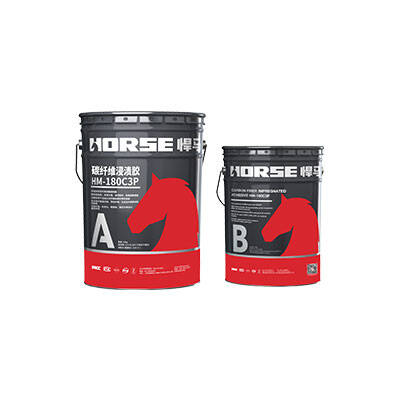
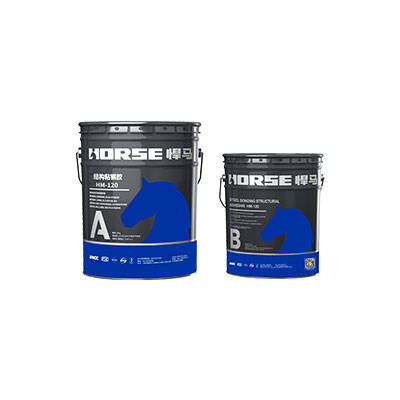
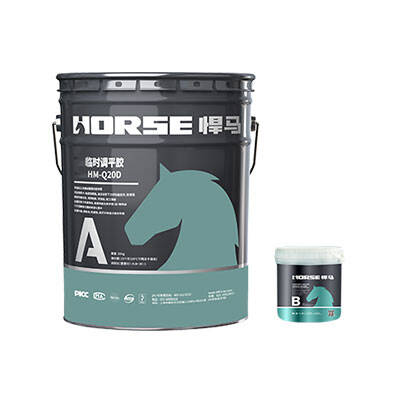
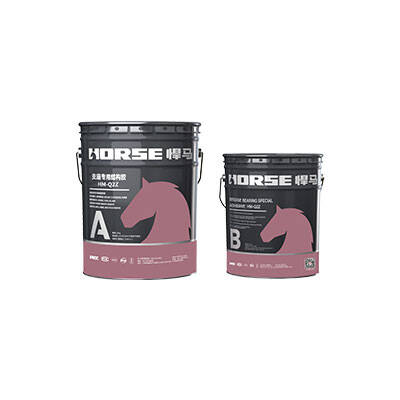
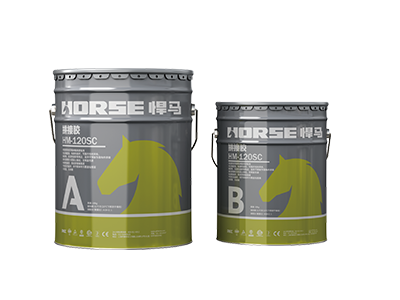
Two-component epoxy modified epoxy structural strengthening adhesive for bonded steel plate to concrete

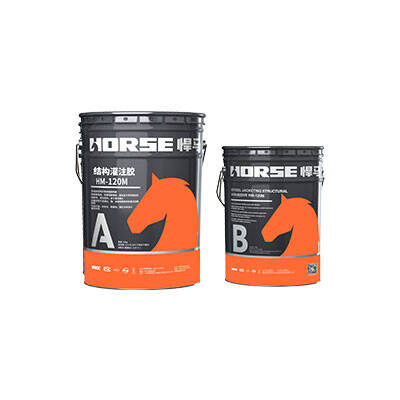
Modified epoxy resin structural perfusion adhesive, specifically for supporting adhesive bonded steel reinforcement

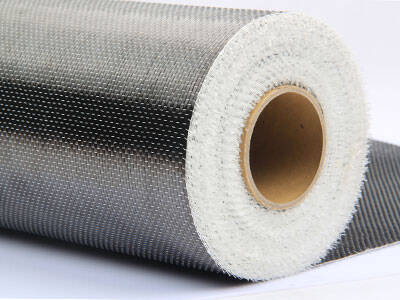
High strength, unidirectional carbon fiber sheet pre-saturated to form a carbon fiber reinforced polymer (CFRP) sheet used to strengthen structural concrete elements.
