


 Language: English











Solutions
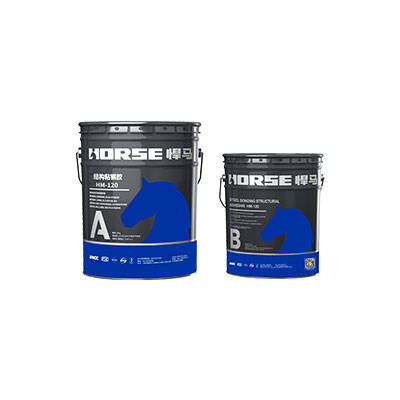
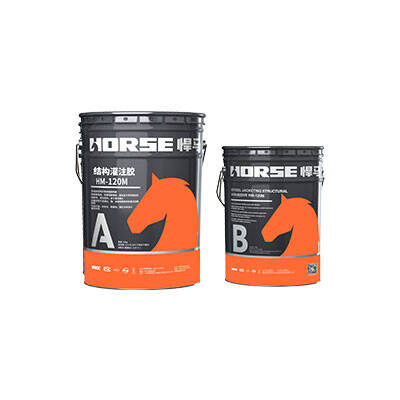
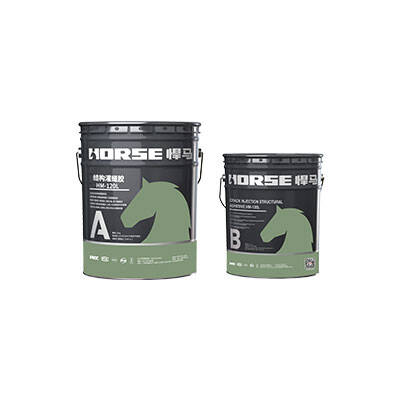
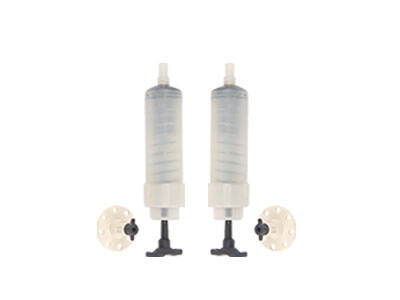
Horse Construction offers full range of structural strengthening materials with technical supports, documentation supports, products supports, project supports.
Carbon Fiber for Columns

First, as shown in the image, this method of reinforcing columns with carbon fiber fully complies with structural stress principles and reinforcement design logic. It was applied in this way only after structural verification by a consultant. It is not suitable for every project.
The core reason for using carbon fiber reinforcement for factory columns, where the carbon fiber wrapping is "dense at the top and bottom, and sparse in the middle".
1. Stress Characteristics of Frame Columns: Top and Bottom Ends are "Weak Zones"
Under vertical loads plus horizontal seismic/wind loads, the shear force and bending moment of frame columns reach their maximum values at the top and bottom ends (near the beam-column joints), while the shear force and bending moment in the middle section are relatively smaller.
The top and bottom ends of the column are plastic hinge zones, where shear failure and concrete crushing are most likely to occur under seismic loading, making them the "lifeline" of structural safety.
The core function of circumferential wrapping with carbon fiber fabric is to restrain the lateral deformation of concrete and improve shear capacity; therefore, it needs to be reinforced particularly at the column ends where the stress is most unfavorable.

2. Targeted Design of Carbon Fiber Reinforcement
The carbon fiber fabric here primarily serves two purposes, both concentrated at the column end:
Shear Strengthening: The shear force is greatest at the column end. The carbon fiber fabric acts as an "equivalent stirrup," and dense bonding significantly improves the shear capacity of the inclined section, preventing the propagation of diagonal cracks.
Ductility Enhancement: The circumferentially wrapped carbon fiber fabric confines the core concrete at the column end, increasing its ultimate compressive strain, preventing brittle failure at the column end, and improving the seismic ductility of the structure.
The shear force and bending moment in the middle section of the column are relatively small, and the shear and compressive strength of the concrete itself is usually sufficient, therefore dense bonding of carbon fiber fabric is not necessary.

3. Design Considerations to Avoid "Over-Strengthening"
Fully covering the entire height of a column with carbon fiber reinforced plastic (CFRP) can actually cause problems: CFRP has a much higher stiffness than concrete. Full-height application leads to uneven stiffness distribution, causing stress concentration at the column ends during seismic events, thus increasing the risk of end failure.
Excessive restraint restricts the reasonable deformation of concrete, reducing the structure's ductility and violating the principle of "strong joints, weak members" in seismic design.
It also results in material waste and unnecessary cost increases.
You can find anything here you are in need of, have a trust trying on these products, you will find the big difference after that.

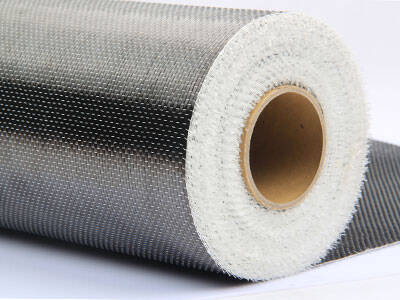
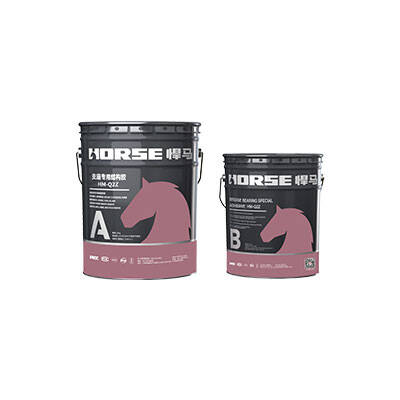
High strength, unidirectional carbon fiber wrap pre-saturated to form a carbon fiber reinforced polymer (CFRP) wrap used to strengthen structural concrete elements.

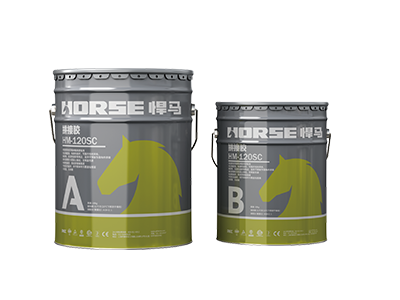
Low viscosity, strong penetration carbon fiber primer for reinforced concrete surface to enhace the defect part

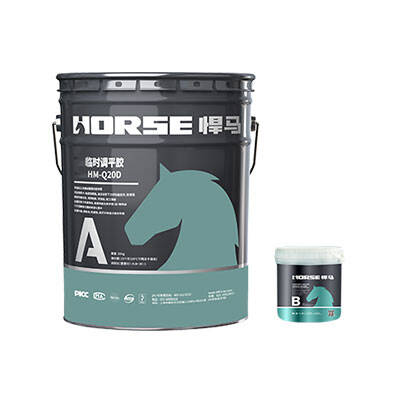
Good thixotropy carbon fiber leveling adhesive for concrete surface repairing
