


 Language: English











Solutions
Horse Construction offers full range of structural strengthening materials with technical supports, documentation supports, products supports, project supports.
Comparison of pile jackets reinforcement systems, steel jackets methods, and cross-section enlargement methods.
Comparison of Repair Methods for Deep-Water Pile Foundation Bridges
Deep-water pile foundations exhibit defects such as erosion, wear, spalling, and steel reinforcement corrosion.
Reasons:
01. The acidic water quality corrodes the foundation piles, accelerating material deterioration and weakening the structural protection.
02. Long-term exposure to water flow and alternating wet and dry conditions caused by tides damages the integrity of the concrete structure, creating channels for corrosive media to penetrate.
03. Scratches and wear from nearby aquaculture cages and fishing platform cables further exacerbate the damage to the pile foundation.
Comparison of FRP Pile Jakcets VS Steel Jakcets VS Cross-section Enlargement
I. Material Properties
FRP Pile Jakcets
Utilizing high-strength, corrosion-resistant FRP pile and high-strength epoxy grout, this composite material system can repair various substrates such as concrete and steel. The grout has a compressive strength ≥60MPa and a tensile bond strength ≥2.5MPa, combining structural reinforcement and corrosion protection with a high degree of material performance matching.
Disadvantages: It requires high control over the underwater curing process of the grouting material and must ensure material compatibility.
Steel Jakcets
The steel jackets itself possesses high mechanical strength and can provide temporary restraint.
Disadvantages: Underwater concrete/grout is prone to segregation, resulting in large strength dispersion. Furthermore, its adhesion to the concrete and steel jacktes is poor, easily leading to interface debonding problems and preventing the formation of a reliable, collaborative load-bearing system.
Cross-section Enlargement
Using concrete/grout with the same substrate ensures good material compatibility and provides some reinforcement to the original structure after repair.
Disadvantages: Poor corrosion resistance; lacks specialized corrosion protection design and relies solely on the durability of the substrate itself, making it prone to secondary degradation in corrosive environments such as seawater.
II. Durability and Corrosion Resistance
FRP Pile Jakcets
It exhibits excellent weather resistance, resisting corrosion from wet-dry cycles, alternating hot and cold temperatures, freeze-thaw cycles, and water electrolysis. In seawater environments, it is resistant to acids, alkalis, and chemical erosion. After repair, it requires no maintenance, and its durability is comparable to the original structure's design life.
Disadvantages: It has no significant weaknesses, making it the optimal choice for highly corrosive environments.
Steel Jakcets
The short-term mechanical constraint effect is clear.
Disadvantages: It is prone to electrochemical corrosion, requiring regular anti-corrosion maintenance; its durability is poor; the corrosion rate is rapid in marine environments, which will reduce the long-term reliability of the structure.
Cross-section Enlargement
No significant advantages in corrosion resistance or durability.
Disadvantages: It cannot fundamentally solve the durability defects of the original structure; simply increasing the cross-section cannot improve corrosion resistance; frequent maintenance is required in the later stages.
III. Cost and Economy
FRP Pile Jakcets
Due to its maintenance-free nature, it boasts significant advantages in total lifecycle cost, substantially reducing long-term operating costs.
Disadvantages: No obvious economic weaknesses.
Steel Jakcets
No long-term cost advantage.
Disadvantages: Higher initial costs, and due to short maintenance cycles and the need for frequent repairs, the total life-cycle cost is far higher than that of the fiberglass sleeve method.
Cross-section Enlargement
No long-term cost advantage.
Disadvantages: High initial costs and frequent maintenance, resulting in high total lifecycle costs.
IV. Construction and Structural Impacts
FRP Pile Jakcets
The material can be applied underwater, and underwater curing eliminates the need for cofferdams and dewatering, simplifying construction, shortening the cycle time, and ensuring easy quality control. The pile jakcets are prefabricated and custom-made in the factory, requiring only splicing for on-site installation, minimizing joints and ensuring aesthetic integrity. Internal limiters within the sleeves ensure uniform grout thickness and more rational stress distribution.
Disadvantages: Underwater installation requires a certain level of technical skill from construction personnel.
Steel Jakcets
No obvious construction advantages.
Disadvantages: Requires large cranes for hoisting and on-site assembly, making construction cumbersome and time-consuming; quality is greatly affected by on-site welding and assembly precision; steel jackets significantly increase the original structure's self-weight and cross-sectional dimensions, altering the original stress pattern.
Cross-section Enlargement
The technology is relatively mature and belongs to traditional reinforcement techniques.
Disadvantages: It requires cofferdam dewatering, formwork and pouring concrete, making the construction process complex and time-consuming; it significantly increases the structure's self-weight and dimensions, has a significant impact on the load distribution of the original structure, and results in poor aesthetic coordination.
V. Post-maintenance
FRP Pile Jakcets
No maintenance is required after repair, and the lifespan of the repaired area is guaranteed to be no less than the design lifespan, resulting in extremely low maintenance costs.
Disadvantages: No significant maintenance shortcomings.
Steel Jakcets
No long-term maintenance advantage.
Disadvantages: Short maintenance cycle, requires regular inspection and anti-corrosion treatment, resulting in high and frequent maintenance costs in the later stages.
Cross-section Enlargement
No long-term maintenance advantage.
Disadvantages: Requires regular inspection and repair of corroded areas, resulting in high long-term maintenance costs.
FRP pile jackets reinforcement systems outperform other systems in terms of material properties, durability, corrosion resistance, total life cycle cost, construction efficiency, and structural impact, making them the recommended solution for treating deep-water pile foundation defects.
You can find anything here you are in need of, have a trust trying on these products, you will find the big difference after that.

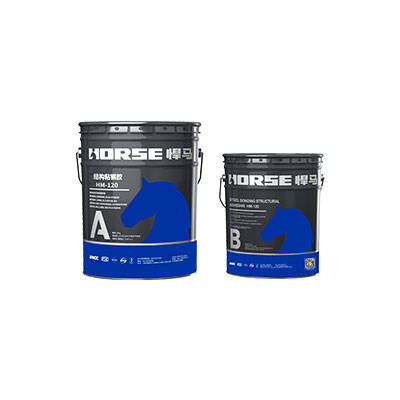
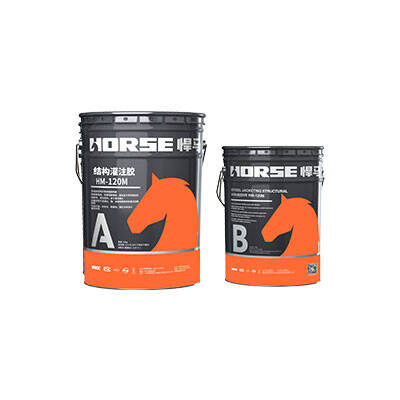
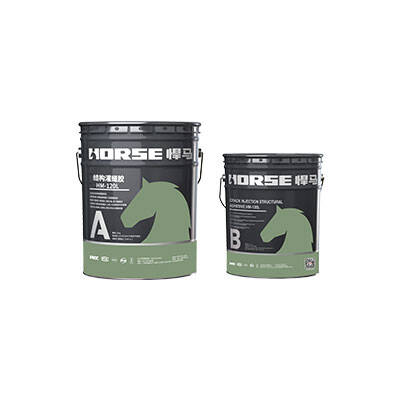
Modified epoxy resin structural perfusion adhesive, specifically for supporting adhesive bonded steel reinforcement

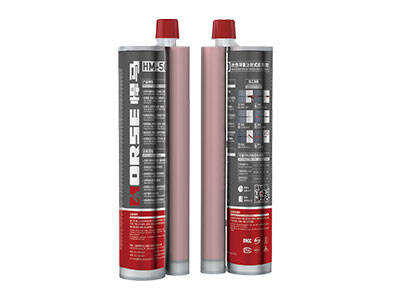
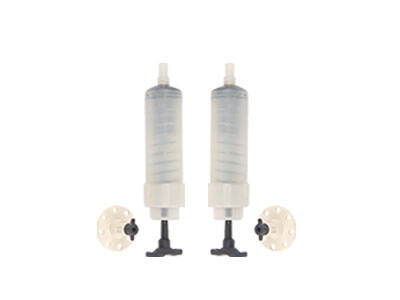
Two-components modified epoxy resin adhesive, with high quality plastic tube, double cartridge package for anchoring

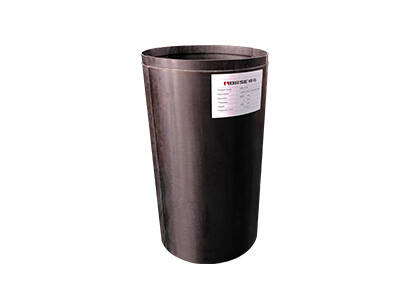
A heavy-duty carbon/glass fiber reinforced polymer(FRP) jacket pile protection system with epoxy grout
